Many people think kayak fishing is only a summer pastime. That is not true. On Lithuanian waters you can fish successfully from early spring to late autumn, and some braver anglers do not end the season even when the cold arrives. Every season calls for different tactics, different lures and its own approach. In this article we share concrete tips for each season.
Spring: the most active months for kayak anglers
Spring is many kayak anglers' favorite time. The water warms up, the fish become active and start moving toward the shallows. In Lithuania this usually starts in mid-April, when the water temperature reaches 8 to 12 degrees.
Pike is the first target fish of spring. After spawning it is hungry and aggressive. Look for shallow bays with aquatic vegetation, where the water warms up faster. On lakes these are usually the southern shores with reed beds and weeds. On rivers, look for calmer side channels and oxbows.
3 lures for spring: start with chatterbait-style lures with a soft plastic trailer. They imitate a small fish and work great at 1 to 2 meters deep. If the pike do not react to a moving lure, switch to a slower wacky rig with a soft plastic worm. Cast toward trees, rocks or other cover and let the lure fall slowly. The third spring option is a jig with a soft plastic crayfish. You can use it for targeted fishing around specific structure where you see fish activity.
Perch are also active in spring. Smaller spinnerbaits and micro jig heads with 3 to 5 cm soft baits work great. In spring perch often hold in small groups, so once you find one spot you can catch several in a row.
Summer: early mornings and shallows
In summer many anglers think the fish move to deep water and become hard to catch. That is only half the truth. Even in the hottest months you can find active fish in shallow water if you know where and when to look.
The most important summer rule: be on the water before sunrise. The early morning hours are golden. Fish use the low light to hunt baitfish in the shallows. From 5 to 8 am you can expect the best activity.
In summer a kayak has a big advantage over a motorboat. You can quietly approach shallows that a motorboat simply cannot get into. In summer pike and zander often hold in 0.5 to 1.5 meters of water by reed beds, sunken trees and rocks.
Lures for summer: in the morning, start with topwater lures. Poppers and walking baits trigger great strikes. If topwater does not work, switch to a chatterbait or shallow crankbaits. As it gets toward 10 am, some fish move deeper or tuck in tight to structure. Then it is time to change tactics and use jig or Texas rig setups, which let you fish effectively around cover.
In summer in Lithuania, the Žeimena, Merkys and Minija rivers are great for fishing, as a kayak lets you reach spots you cannot get to on foot. On the big lakes, such as Plateliai, Drūkšiai or Galvė, look for shallow bays with vegetation.
Autumn: the time for the biggest fish
Many experienced anglers consider autumn the best time for big fish. Before winter the fish feed heavily to build up reserves and become less cautious. From mid-September to early November you can expect the hardest fights.
Zander become especially active in autumn. They follow schools of baitfish and often hunt aggressively. Look for places where small fish gather in schools. Here a fish finder becomes an invaluable helper. If you see baitfish schools on the screen, zander will almost certainly be nearby.
Pike also feed actively in autumn. They often hold in transition zones between shallows and deep water. Look for steep drop-offs by reed beds and depth changes from 2 to 4 meters.
Lures for autumn: bigger lures, bigger catches. In autumn do not be afraid to use 12 to 15 cm soft plastics or large crankbaits. Jerkbaits worked with pauses imitate an injured fish perfectly and provoke big pike. Jig heads with large soft plastics are effective in deeper spots where zander concentrate.
Late autumn and winter: is it worth the risk?
When the days get shorter and the temperature drops, many anglers hang up their gear until spring. But those who dare to go out on the water in November or even early December can be rewarded.
Winter kayak fishing calls for serious preparation. First and foremost is safety. Cold water is dangerous. You must have the right clothing (a dry suit or neoprene), a quality life vest, and ideally fish with a partner. Check the weather forecast several times before your trip.
In winter fish slow their metabolism and hold in deeper spots. A fish finder becomes essential, as you will spend more time watching the screen than casting. In winter fish group together, so once you find them in one spot you can catch several in a row.
Winter tactics: slowness is key. Shaky head, drop shot and ned rig setups with small, barely moving baits work best. The other route is reaction lures: metal spoons and vibrating jigs that provoke an instinctive strike even from inactive fish.
Which kayak should you choose for fishing?
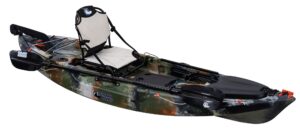
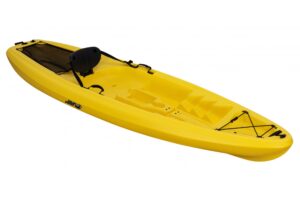
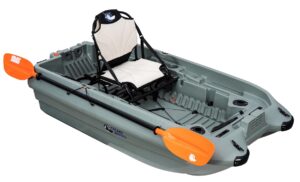
A fishing kayak should be stable, have room for gear and be comfortable for long hours on the water. In the VAKA Sport kayak range you will find fishing-friendly models from Galaxy Kayaks, Bonafide and Native Watercraft. The most important criteria: a wide hull for stability, integrated rod holders, a spot for a fish finder and enough storage space for accessories.
If you plan to fish all seasons, invest in a quality life jacket and the right clothing for cold weather. Fishing accessories such as rod holders, an anchor system and a fish finder greatly expand your possibilities on the water.
Seasonal fishing calendar for Lithuania
March to April: the season starts. Pike after spawning, perch becoming active. The shallows warm up and the fish move closer to shore. Lures: chatterbait, spinnerbait, micro jig.
May to June: the golden time. All fish are active and the temperature is ideal. You can fish at any time of day. Lures: topwater, crankbaits, soft plastics.
July to August: the heat means planning for early morning or evening. Shallows with vegetation hold fish. Lures: topwater in the morning, jig and Texas rig during the day.
September to October: the time for the biggest fish. Active feeding before winter. Lures: large soft plastics, jerkbaits, jigs.
November to February: for experienced anglers only. Safety first. A fish finder is essential. Lures: drop shot, ned rig, metal spoons.
Every season on the water has its own magic. The most important thing is to get started, watch nature and learn from every trip. A kayak gives you a unique chance to reach spots other anglers cannot. Make the most of it.
Gear for the season
Different times of year need different gear. The basic kit stays the same.
- NuCanoe Unlimited MAX stable for fishing all season
- Baltic Pro Sailor 100N liemenė essential in cold water
- NRS Yak Yak ratukai from the car to the shore
Read also
- Fishing and paddling in the cold season: clothing, safety and tips
- Beginner's guide to kayak fishing gear
- Fish finders and fishing electronics for kayaks: what you need to know
Frequently asked questions
When does the kayak fishing season start in Lithuania?
The season usually starts in mid-April, when the water temperature reaches 8 to 12 degrees and pike start feeding actively after spawning.
Can you fish from a kayak in winter?
Yes, but only with the right clothing (a dry suit or neoprene), a life vest and ideally with a partner. Winter kayak fishing calls for serious safety preparation.
Which lures are most effective for kayak fishing?
It depends on the season. In spring, chatterbaits and wacky rigs; in summer, topwater and Texas rigs; in autumn, large soft plastics and jerkbaits; in winter, drop shot and ned rig setups.
Recommended products
The most popular products in this category