Short answer: choose your clothing by the water temperature, not the air temperature. When the water is warmer than 18 °C, thin 0.5 mm HydroSkin layers or sportswear with a splash jacket are enough. When the water is 13 to 18 °C, you need a 3 mm neoprene wetsuit (from 120 EUR). When the water is below 10 °C, only a drysuit keeps you safe (from 826 EUR). Below you will find a table by temperature and a detailed explanation of how the layers differ.
Many beginners only think about the kayak or paddle board and forget the most important part. The right clothing on the water is not a luxury. Water draws heat from your body 25 times faster than air, so even in May you can get cold on Lithuanian lakes faster than you expect. The right clothing lets you stay on the water longer and enjoy the trip instead of thinking about the cold.
Why does water temperature matter more than air temperature?
When choosing clothing, look at the water temperature, not the air. In May the air can be +22°C while the water in Lithuanian lakes is still only +12 to 14°C. If you fall into water like that, your body starts cooling very quickly. Hypothermia in +15°C water can set in after just 30 to 40 minutes, even if you are a strong swimmer. That is why experienced paddlers follow a simple rule: dress for the water, not the sky.
In practice this means you should not get on a SUP paddle boards or kayak in shorts in April. Even if the air is warm, the water is still dangerously cold.
What clothing do you need for each water temperature?
This table is the quickest way to decide. The temperature is the water temperature, not the air. Prices are from the cheapest model in that class in the VAKA Sport range.
| Water temperature | What to choose | Example model | Price from |
|---|---|---|---|
| Above 20 °C | Sportswear, splash jacket | NRS Rio Top Paddle Jacket | 70 EUR |
| 18–20 °C | 0.5 mm neoprene layers | NRS HydroSkin 0.5 shirt | 125 EUR |
| 15–18 °C | 3 mm wetsuit | NRS Ignitor 3.0 | 120 EUR |
| 13–15 °C | 3 mm Farmer John and jacket | NRS Farmer John 3.0 | 180 EUR |
| 10–13 °C | 5 mm neoprene or semi dry suit | NRS Outfitter Bill 5 mm | 160 EUR |
| Below 10 °C | Drysuit or semi dry suit | NRS Explorer Semi-Dry | 826 EUR |
For an even simpler check before you set off, add the air and water temperatures together. If the total is below 31 °C, do not go out without neoprene or a drysuit. This is the Celsius equivalent of the international 120 rule, which was originally calculated in Fahrenheit. We wrote more about it and about how hypothermia progresses in the article Fishing and paddling in the cold season.
How do water sports clothing layers work?
Water sports apparel works in layers, much like winter clothing in the mountains. The principle is simple: several thin layers keep you warmer than one thick one, and you can take some off if needed.
Base layer is worn directly against the skin. Neoprene or synthetic tops and bottoms that stay warm even when wet. NRS The HydroSkin line is the classic choice: thin 0.5 mm neoprene with a fleece lining. Small items cost from 35 EUR (socks) and 45 EUR (gloves), a long sleeve shirt 125 EUR and pants 130 EUR. Good from spring to late autumn as a base under any other clothing.
Insulation layer adds extra warmth. These are fleece or wool mid layers worn under a drysuit or on their own on warmer days.
Outer layer protects against wind, spray and rain. It can be a light splash jacket, a semi dry suit or a full drysuit. The choice depends on the water temperature and how long you spend on the water.
What is a drysuit and when do you need one?
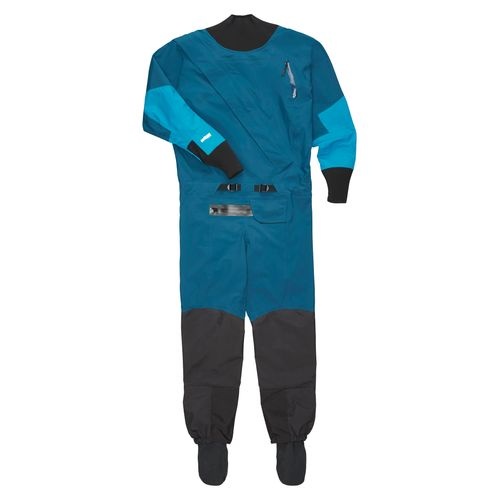
A drysuit is a one piece suit with waterproof seals at the wrists, neck and ankles. You stay completely dry inside even if you fall into the water. It is the most serious protection from cold you can have on the water.
A drysuit is essential in autumn and spring, when the water temperature is below 15°C. It is also the choice of professionals: rescuers, instructors and long distance paddlers. Even for kayak anglers a drysuit gives real peace of mind, as there is always a risk of falling in.
NRS offers several drysuit lines for different needs and budgets:
NRS Crux (from 895 EUR) is a versatile suit with a 3 layer fabric. It suits paddlers, anglers and SUP enthusiasts who need reliable protection without the GORE-TEX price. It is one of the most popular NRS models thanks to its good value for money.
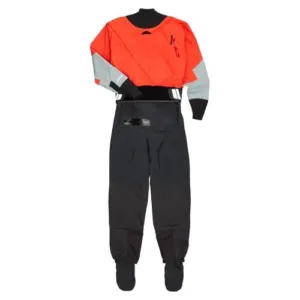
NRS Foray (from 845 EUR) has a 4 layer nylon fabric and is slightly lighter than the Crux. A good choice for those who want durability but do not want to pay for GORE-TEX.
NRS Phenom GORE-TEX Pro (from 1 295 EUR) is the top class. GORE-TEX Pro fabric gives maximum breathability and durability. Made for those who spend a lot of time on the water and want the best currently available.
NRS Explorer (826 EUR) and NRS Navigator GORE-TEX Pro (1 396 EUR) are semi dry suits. Simpler seals, but still excellent protection from cold and water. They suit beginners who do not want to invest in a full drysuit straight away. All drysuit and semi dry suit models are available for both men and women.
When is neoprene enough?
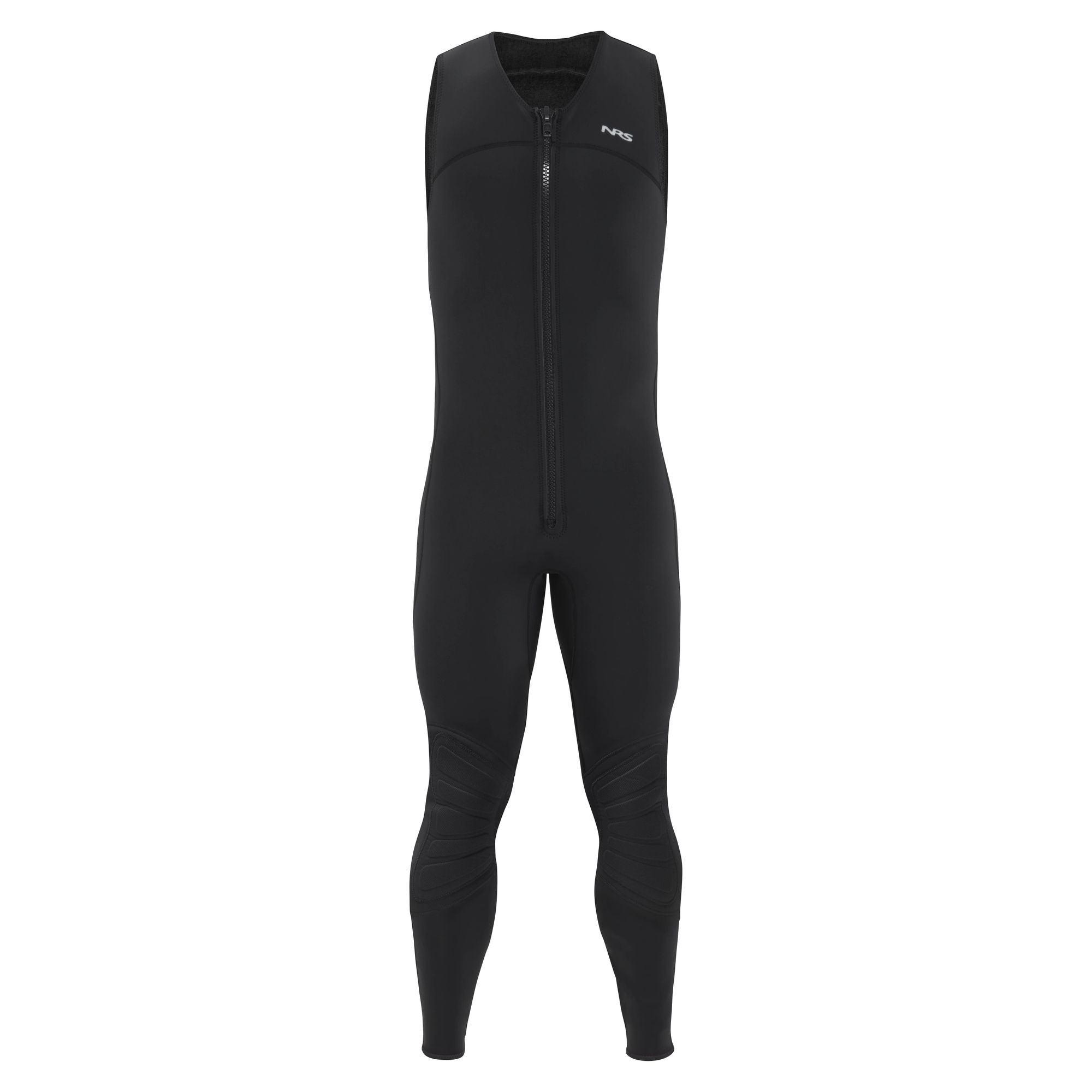
Neoprene (a wetsuit) works differently: it lets in a small amount of water, which is warmed by your body and acts as insulation. It is a cheaper and simpler option that is perfectly adequate for most recreational paddling.
NRS Ignitor 3.0 (119.99 EUR) is a 3 mm neoprene suit suitable for water from 15 to 20°C. Warm enough for spring and autumn paddling, when the air is already warm but the water is still cool. Available for both men and women.
NRS Farmer John 3.0 (180 EUR) is the classic sleeveless design: your arms stay free for paddling while your torso and legs are protected by 3 mm neoprene. It is the most common choice among paddlers in spring and autumn, as it does not restrict shoulder movement. The women's version of the same model is called the Farmer Jane 3.0. A warmer version of the same cut is the Ultra John 3.0 (210 EUR) with a softer inner lining.
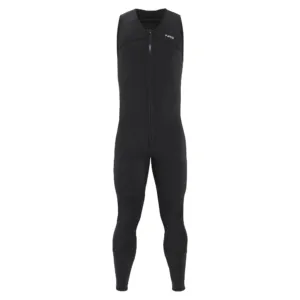
For colder water, when the temperature drops to 10 to 13 °C, there is the NRS Outfitter Bill 5 mm (160 EUR). Five millimetres of neoprene is noticeably warmer than three, but movement becomes restricted, so for longer trips in that weather many people still choose a drysuit.
For kids there is no need to buy an adult suit in a smaller size. NRS Kid's Shorty (70 EUR) is a short neoprene suit for summer paddling, while the NRS Youth Farmer Bill (105 EUR) is a full length option for cooler days. Children cool down faster than adults, so they need neoprene earlier in the season.
The HydroSkin line offers thinner 0.5 mm neoprene pieces: pants, shirts, shorts and socks. They work as a base layer under a drysuit or on their own on warm summer days. Neoprene suits summer (when the water is above 18°C), shorter trips in spring and autumn, and SUP paddlers who paddle on calm water and rarely fall in.
Which jacket protects against spray and wind?
Even in summer the wind blows on the water, and spray chills you quickly. A good water sports jacket protects against wind and water but lets your body breathe and does not overheat when you are working hard.
NRS Riptide Splash Jacket (199.99 EUR) is a classic splash jacket with neoprene cuffs. It protects against spray and wind but is not fully waterproof. Enough for summer kayaking or paddle boarding. One of the best value options for beginners.
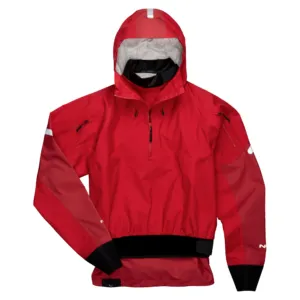
NRS Element Jacket (495.99 EUR) is a professional grade jacket with double cuffs. Made for more serious use: longer trips, cool days or when you expect heavier spray. Instructors and guides often choose the Element series.
The NRS Echo Splash Jacket is a budget option for basic spray protection. If you only paddle on warm summer days and want something on top just in case, the Echo will do.
Do you need special shoes and gloves?
In short: yes, especially if you paddle on more than just hot July days. Your feet and hands get cold first, and that is where discomfort on the water starts.
Shoes. Neoprene water shoes protect your feet from cold, stones and shells. NRS Freestyle Wetshoe is a versatile neoprene shoe with a hard sole that works both on the shore and in the water. NRS Comm-3 and Comm-5 are professional 3 mm and 5 mm boots with side zips. Thicker neoprene means more warmth but less flexibility.
Gloves. You feel cold water in your hands first, and once your hands go numb, it is hard to hold the paddle. NRS HydroSkin Gloves (44.99 EUR) are thin 0.5 mm neoprene gloves, suitable for cool summer days and early autumn. NRS Maverick Gloves are thicker, with better grip, made for late autumn and early spring. For the coldest periods NRS has mitts (Toaster and Veno Mitts), which keep your hands warmest.
How do you choose clothing by season?
The simplest guide is the water temperature. Here is how it looks in Lithuanian conditions:
Summer (June to August), water 18 to 22°C. Thin HydroSkin layers or just sportswear are enough. Have a splash jacket just in case. Neoprene shoes help if you walk on rocky shores or step from the kayak into the water.
Spring and autumn (April to May, September to October), water 10 to 17°C. A wetsuit or a HydroSkin base layer with a splash jacket. Gloves are almost essential. If you are planning longer trips or paddling in more exposed places, a drysuit will be more comfortable and safer.
Late autumn and early spring (March, November), water below 10°C. A drysuit is practically mandatory. Thick gloves, warm boots and head protection. At this time of year only experienced paddlers with the right gear are on the water.
For kayak anglers the situation is a little different. You mostly sit and stay dry, but there is always a risk of falling in. In spring and autumn it is better to have at least a splash jacket with neoprene pants. For more serious anglers who go out in early spring or late autumn, a drysuit gives real peace of mind. We wrote more about safety gear for fishing and paddling in a separate article.
For SUP paddlers it is worth noting that you are more likely to fall in than when sitting in a kayak, especially as a beginner. In the warm season shorts and a T shirt are enough, but in cooler weather HydroSkin or neoprene will definitely come in handy. If you are still choosing a board, see our SUP buying guide.
Frequently asked questions
Can you paddle in ordinary sportswear?
On a warm summer day, when the water is above 20°C, yes. But in spring and autumn you need proper clothing. Water draws heat 25 times faster than air, so even if you fall into 15°C water in ordinary clothes, within a few minutes you can get so cold that it is hard to climb back onto the paddle boards or kayak. Cotton clothing is especially dangerous, as it stops insulating and gets heavy when wet.
What is the difference between a drysuit and a wetsuit?
A drysuit keeps water out. You stay dry inside even if you fall in. A wetsuit (neoprene) lets in a thin layer of water, which is warmed by your body and insulates you. A drysuit is warmer and suits lower water temperatures (below 15°C), but costs from 825 EUR. Neoprene is cheaper (from 119 EUR) and simpler, but only effective down to a water temperature of about 15 to 18°C.
What thickness of neoprene should you choose?
0.5 mm (HydroSkin) works as a base layer or for warm day protection. 3 mm (Ignitor) is enough for spring and autumn paddling when the water is 15 to 20°C. 5 mm and more is for winter or very cold water, but in that case a drysuit is often the better choice, as it is more comfortable to wear for long periods and lets you regulate warmth with the inner layer.
Choosing clothing by activity
All water sports clothing categories are available in the VAKA Sport shop. If you are not sure which clothing suits you, email us at [email protected] or give us a call. We will help you choose based on your activity, season and budget. The right clothing on the water is not a luxury. It is an investment in safety and comfort that pays off from the very first trip.
Related articles
- NRS, WALLYS and Baltic Lifejackets compared: life jackets and safety gear
- How to choose a SUP board: a beginner's guide
- Where to paddle board in Lithuania: the best spots
- Best SUP boards for beginners 2026
Read also
- Life jackets for kayaks, SUP and sailing: Baltic Lifejackets, WALLYS and NRS compared (2026)
- Fishing and paddling in the cold season: clothing, safety and tips
- Buoyancy aids for water sports: how to choose the right one (2026)
Recommended products
The most popular products in this category